 Free Click & Collect in 2 hours


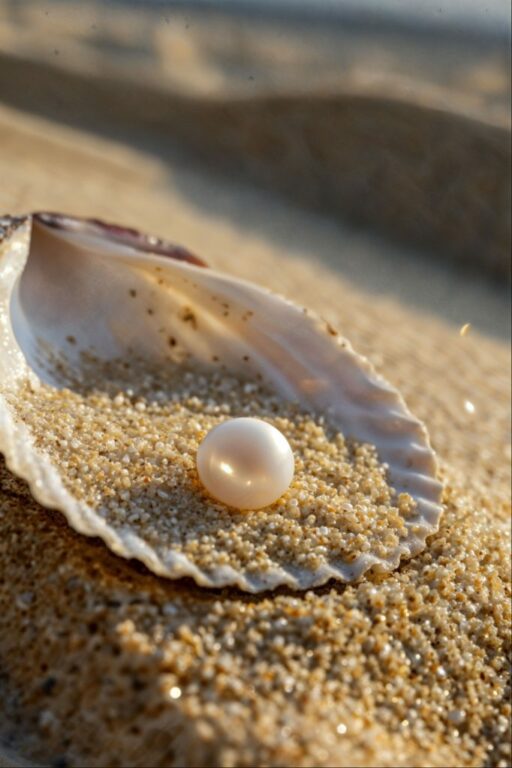
Tahitian pearl farming: A practice that preserves the oceans
Tahitian pearls are cultivated in the pristine lagoons of French Polynesia, a rich and fragile ecosystem. Unlike other industries that exploit natural resources intensively, pearl farming relies on a delicate balance between human activity and environmental preservation.
Pearl oysters play a crucial role in this balance. By naturally filtering thousands of liters of water every day, they help maintain water quality and protect coral reefs. Aware of how important this ecosystem is, pearl farms adopt responsible practices:
- Careful oyster management: Harvest cycles are planned so as not to deplete resources, allowing the oysters to regenerate. Discover our ethically farmed pearls.
- Protected areas: The lagoons where pearls are grown are monitored and preserved, limiting disruption from pollution or overfishing.
- No chemical products: Unlike some forms of marine farming, pearl culture uses neither pesticides nor fertilizers, thereby preserving the marine ecosystem.
By promoting biodiversity and preserving marine resources, Tahitian pearl farming acts as a true guardian of the oceans.
A positive environmental impact
One of the most striking aspects of Tahitian pearl farming is its low ecological footprint. Unlike extractive industries such as mining, which often cause massive destruction of natural habitats, pearl production is nearly carbon-neutral. Even better, the lagoons used for pearl farming remain alive and thriving, becoming sanctuaries for a wide variety of fauna and flora.
By choosing Tahitian pearls, consumers support a production model that values the conservation of nature rather than its destruction. The pearl thus becomes a symbol of harmony between luxury and environmental respect.
An ethical and responsible industry
Pearl farming in French Polynesia does more than protect the environment. It is also part of an ethical and social approach. Most pearl farms are family businesses, where know-how is passed down from generation to generation. This model fosters a sustainable local economy and creates opportunities for local communities.
Moreover, pearl farming follows strict standards to ensure the oysters’ integrity and minimize their stress. Pearls are harvested with care, without compromising the oyster’s well-being or disrupting its natural life cycle. This approach reflects a deep respect for nature and its resources.
A pearl, a sustainable choice
Tahitian pearls also embody sustainability in their use. Unlike other materials, they require no heavy energy-intensive processing. What’s more, their exceptional longevity makes them timeless jewelry pieces, passed down from generation to generation. A well-cared-for pearl keeps its shine for decades, reducing the need to frequently replace one’s jewelry.
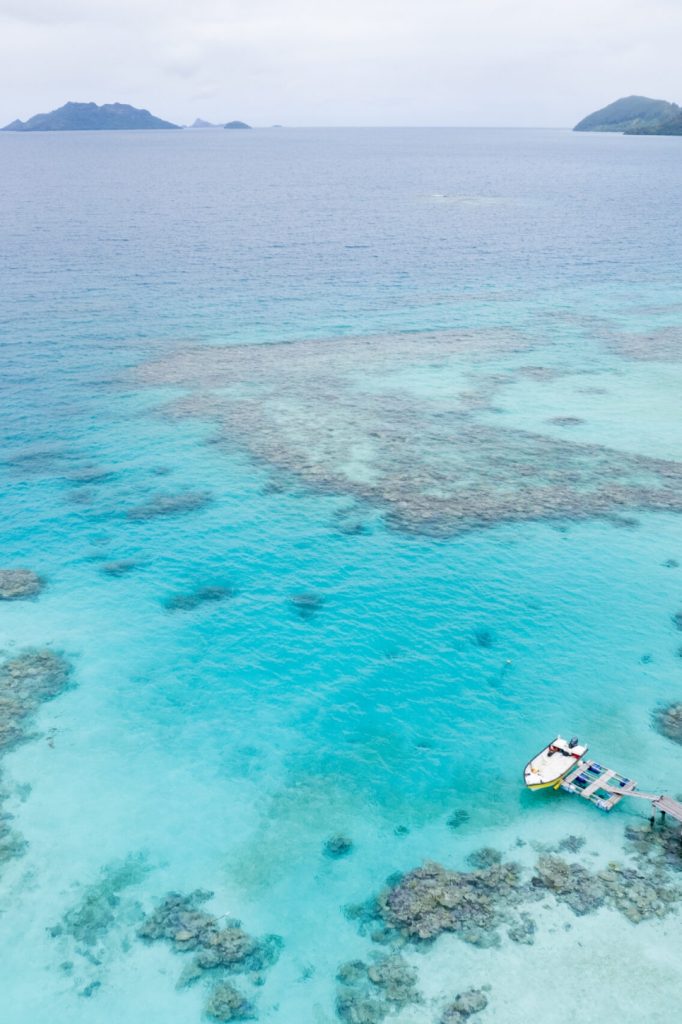
Tahitian pearls, a responsible beauty
Tahitian pearls are not only jewels of the sea; they are also evidence of responsible practices and a deep respect for nature. By choosing these pearls, you support an industry that protects the oceans, values ethics, and embodies sustainability.
Wearing a Tahitian pearl is therefore much more than an aesthetic choice. It is a statement of commitment to a world where luxury and environmental responsibility can coexist in harmony.